
Montessori Labs is a dynamic learning space where educators, caregivers, and changemakers come together to explore Montessori through a global lens. Rooted in community, culture, and creativity, the Labs offer hands-on workshops and interactive webinars led by diverse voices from around the world—bringing real stories, lived experiences, and locally grounded practices into conversation with Montessori principles.
Through Montessori Labs, participants engage in practical learning that goes beyond theory—exploring child development, prepared environments, culturally responsive teaching, and community-based education. Whether you are in a classroom, a home, or building new systems of learning, these sessions are designed to inspire, equip, and connect you to a global network of educators reimagining education.
From live demonstrations and material-making sessions to reflective dialogues and storytelling circles, Montessori Labs invites you to learn with others, share your voice, and co-create meaningful learning experiences for children everywhere.
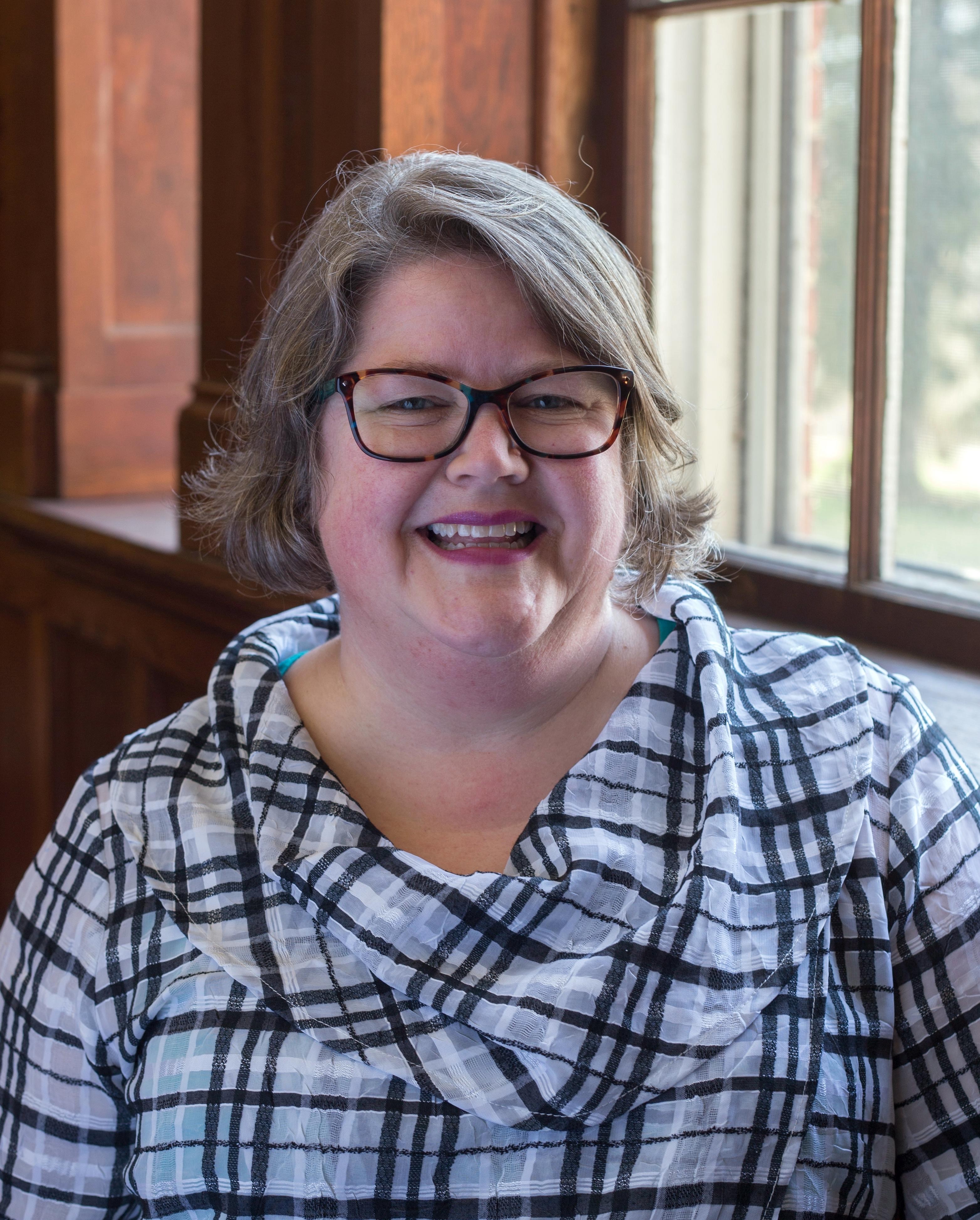
Paige M. Bray, Ed.D. is the Director of the Center for Montessori Studies and Associate Professor of Early Childhood Education at the University of Hartford, Connecticut, USA. She has worked to address systemic inequities for over three decades. Her teaching expertise focuses on the personal “reflexes” and professional identity transitions fostered through dynamic inquiry and the use of meta-cognitive tools with pre-service teachers as well as credentialed teachers across the career continuum.
An advocate for children and families, Dr. Bray’s research is grounded by a community context and consistently emphasizes human capacity as knowledge producers as well as knowledge consumers. A community engaged scholar, Paige works with and in community using critical and humanistic pedagogy, including Montessori, to support agency and belonging. She earned her B.A. and M.Ed. from Sarah Lawrence College and her Ed.D. from the University of Massachusetts, Amherst. Bray integrates her research, theory, and practice through the URBAN network by focusing on public scholarship
At the classroom door frame is where many family members stop as their children enter a Montessori learning environment. This pervasive ritual honours the child’s ever-emerging, developmentally appropriate independence and the intentionally prepared environment for the age group yet can limit family engagement and the power of families as partners in their children and adolescents learning. Participants will engageme in co-constructing opportunities for collaboration recognizing each individual’s capacity as a knowledge producer not only as a knowledge consumer. Parents, educators and community members in any setting can create a learning environment using the characteristics of Montessori pedagogy including transparent expectations, learner pacing, learner participation and choice to create equity-based assessment practice (EBAP). With children, adolescents and adults, EBAP offers learners the experience of humanistic/liberatory potential when authentic assessment contributes to their personal learning journey in a communal context
Bray and Ward's research in adult Montessori education reveals seven essential elements for equity-based assessment for data-informed humanistic/liberatory education: the establishment of trust, the maintenance of positive relationships, collaboration on forming goals, learner agency in assessment, purposeful assignment choice, transparency, and reflection. Participants will examine their own experiences with equity based assessment and have the opportunity to apply strategies related to these themes to design for their Montessori context. Drawing on Dr. Montessori's scholar activist legacy, we explore the arc of transformational experiences and collective community impact.
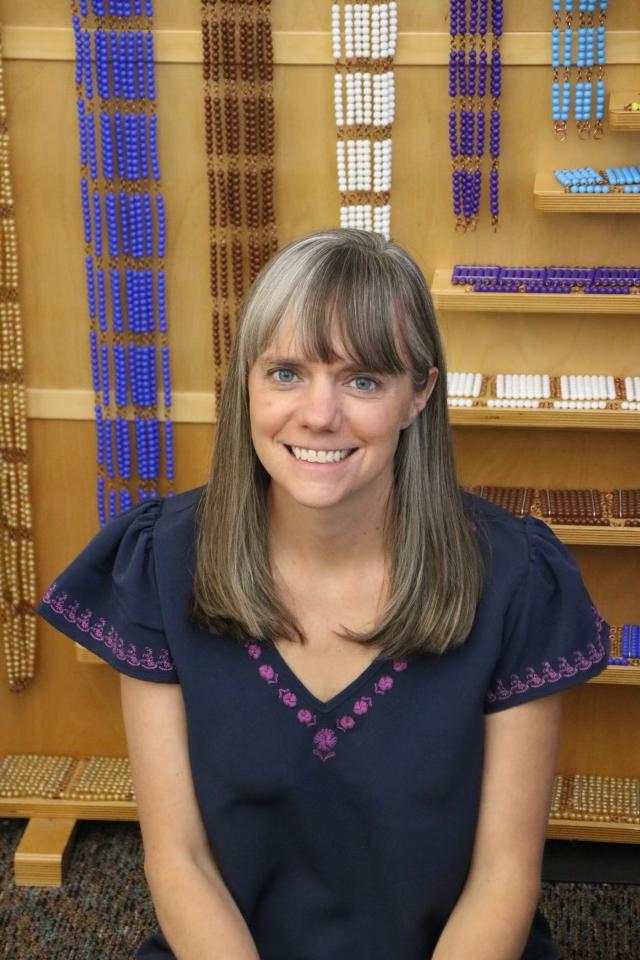
Mandi Franz, M.Ed., was a Montessori student from age 18 months through Upper El. She is Head of School at Ross Montessori School - a free, public school - in Carbondale, Colorado. She has more than 20 years of experience in public Montessori education - as a Lower Elementary guide, teaching coach, and Head of School. She has also been an instructor at Montessori Education Center of the Rockies in Denver, CO, in the Elementary and Administrator programs. Mandi lives in a small mountain town and enjoys hiking, rock climbing, skiing, and cooking.
In this workshop, we explore storytelling as an avenue to cultivate awe and wonder in young learners. Maria Montessori observed that children aged 6-12 can use their imaginations to understand the world. By telling stories, educators can pique children's curiosity, awe, wonder, and interest in learning further.
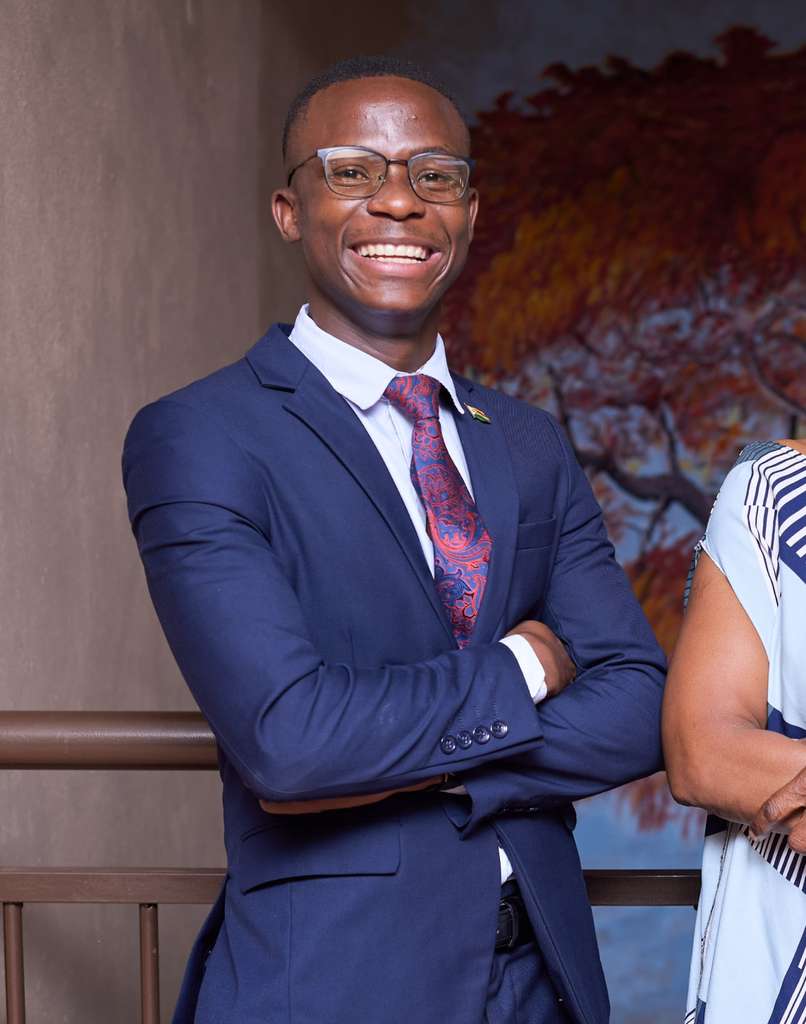
Tinotenda Pardon Matenda is a registered social worker, youth development practitioner, and systems thinker working at the intersection of monitoring, evaluation, child protection, and community-led development. His work focuses on designing practical, culturally grounded frameworks that measure not only learning outcomes, but the holistic transformation of children, families, and communities. With a background in Social Work and professional training in Monitoring and Evaluation, Tinotenda has led and supported programs across Zimbabwe and the Southern African region, advancing initiatives in gender equality, child protection, youth leadership, and community engagement. He has worked with local and international organizations to develop impact frameworks, safeguarding systems, and data collection tools that are both rigorous and responsive to low-resource and culturally diverse environments.
This Montessori Lab workshop introduces participants to a practical and culturally grounded framework for understanding, observing, and documenting child development within Afrocentric Montessori learning environments. Rooted in both Montessori principles and Ubuntu-informed African ways of knowing, the session explores how educators can move beyond traditional assessment models to capture meaningful transformation in the child, the classroom, and the wider community.
Participants will engage with hands-on tools and reflective exercises designed to strengthen observation, interpretation, and evidence building skills in low resource contexts. The workshop focuses on how to distinguish fact from assumption, track growth over time, and integrate parent and community voice into the learning journey. Through practical simulations and collaborative tool development, educators will build simple systems for documenting independence, confidence, expression, social interaction, and cultural identity.
As part of the Montessori Lab, this workshop serves as a foundational space for educators to rethink impact through an African lens and to develop practical monitoring and evaluation tools that support child centred, dignity driven learning ecosystems.

Yuchen Zhang is a Data Scientist and AI Engineer at a leading consulting firm. For over half a decade, Yuchen has worked to empower others to harness data and advanced technologies like AI to drive positive change and make a meaningful impact. Their professional focus centers on data storytelling—the process of collecting information and translating it into narratives that drive more informed decision-making—as well as the strategic integration of AI to boost professional productivity.
As a specialist in the fellowship, Yuchen’s teaching expertise focuses on the reframing required to move from simple data collection to engaged data visualization, transitioning from merely presenting information to crafting goal-aligned storytelling. The curriculum also explores the practical application of Generative AI, guiding participants through the nuances of prompt engineering to unlock AI’s full potential as a high-functioning assistant.
An advocate for the empowerment of educators, Yuchen’s work is grounded in the belief that technology should serve the common good. By fostering a profound understanding of the diverse needs of students and the broader community, and leveraging streamlined workflows to maximize professional productivity, Yuchen helps educators focus on their most vital mission: serving their communities with presence and purpose.
In a world overflowing with information, the true power lies not in collecting data—but in making meaning from it. Led by Yuchen Zhang, this workshop invites educators and leaders into a transformative journey from raw data to compelling storytelling.
Participants will explore how to shift from simply presenting numbers to crafting narratives that guide decision-making and spark action. Through hands-on learning, Yuchen introduces the art of data storytelling—where visualization becomes a language and insight becomes impact. The workshop also dives into the practical use of Generative AI, equipping participants with prompt engineering skills to turn AI into a powerful, everyday assistant that enhances productivity and creativity.
Grounded in a deep commitment to community and purpose, this experience is not just about tools—it’s about transformation. Educators will leave with strategies to streamline their workflows, better understand the needs of their learners, and reclaim time and energy for what matters most: showing up fully for their communities.
This is an invitation to see data differently, to use technology with intention, and to lead with clarity, confidence, and care.
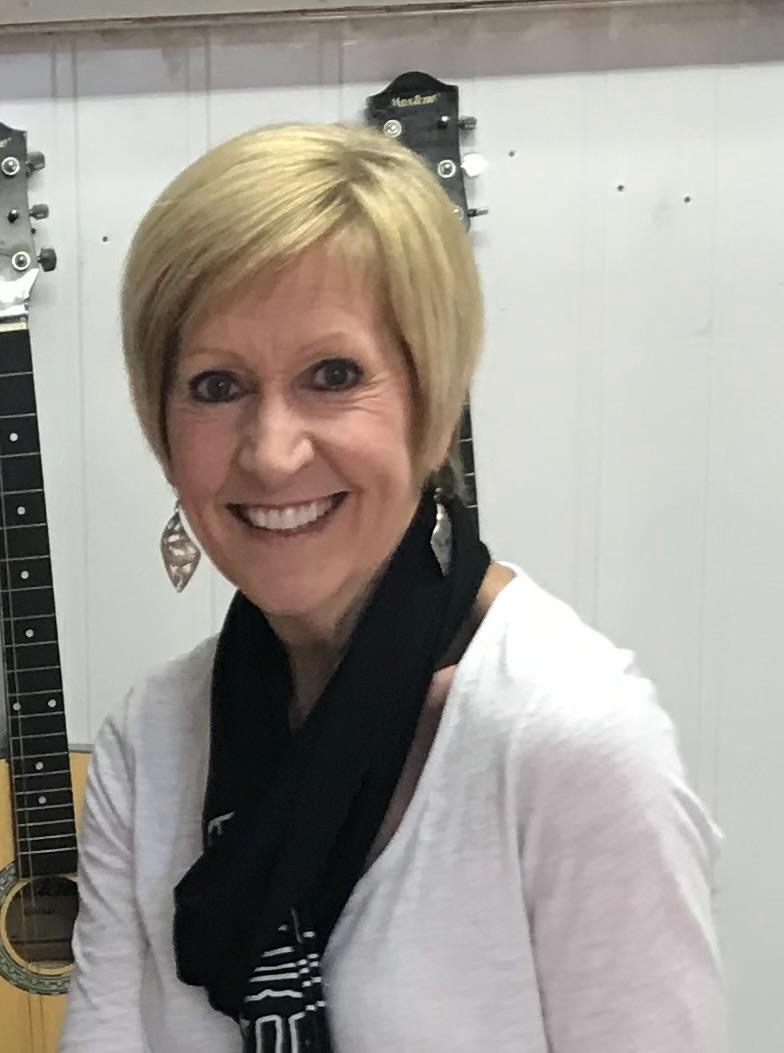
Nora is the Education Lead for the Wend Collective, a social impact fund. Her official title is Education Rabble Rouser. Nora served for nine years at the Colorado League of Charter Schools, as VP of School Services and as President. Nora has over forty years of experience as a teacher and principal in international, traditional public, charter public, and private schools, in non-profit leadership and philanthropy. Nora’s passion is ensuring equity, access and opportunity for all families and children. Her work supports innovative program designs and partnerships with like-minded organizations to create systems change from the bottom up.
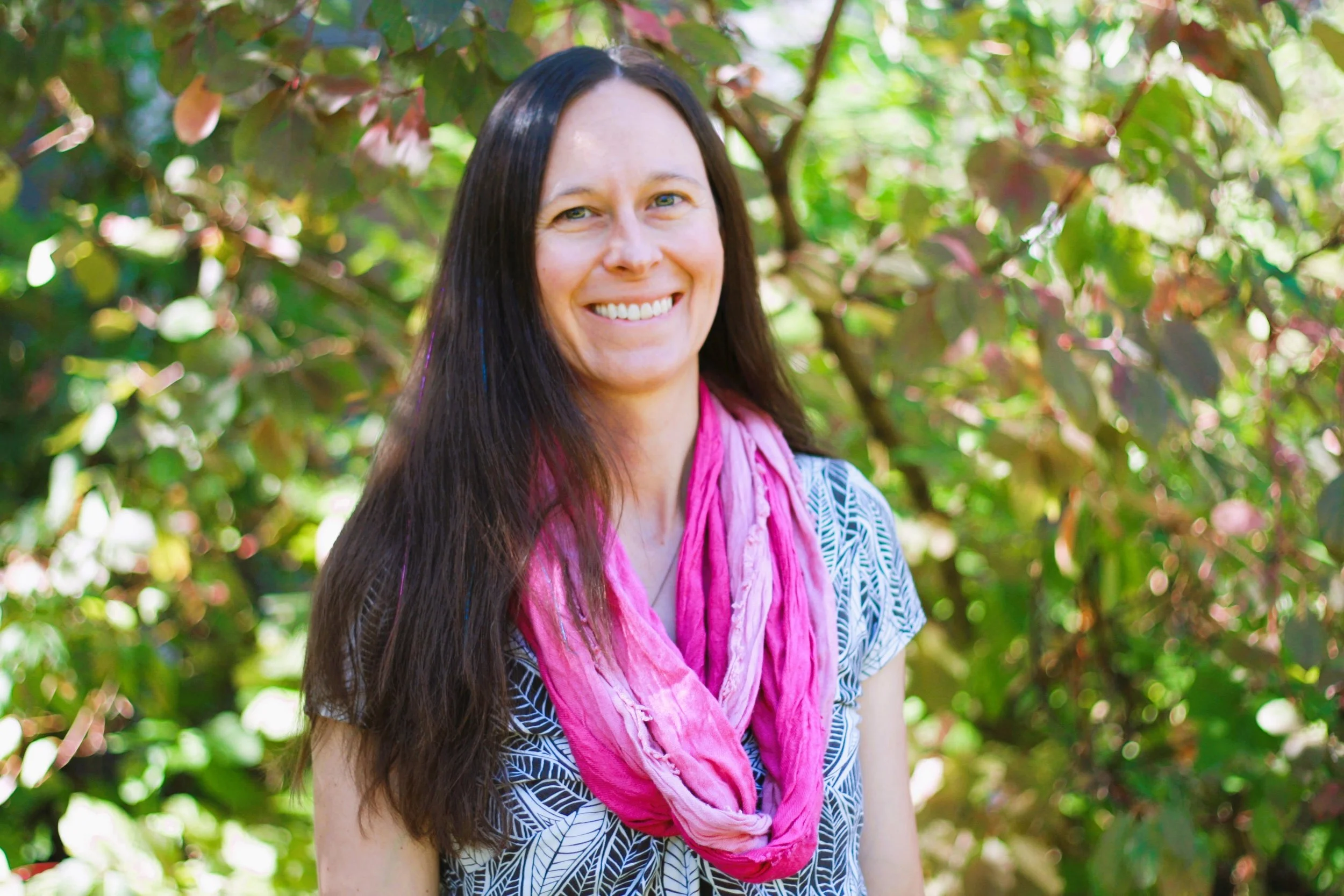
Emily Madison is the Founder and Executive Director of Montessori Collective, a non-profit organization based in Denver, Colorado that strives to expand access to public Montessori classrooms in underserved communities. She has many years of experience as a classroom teacher, interventionist, and instructional coach. Emily holds an AMS Administrator credential and an MA in Linguistically Diverse Education.
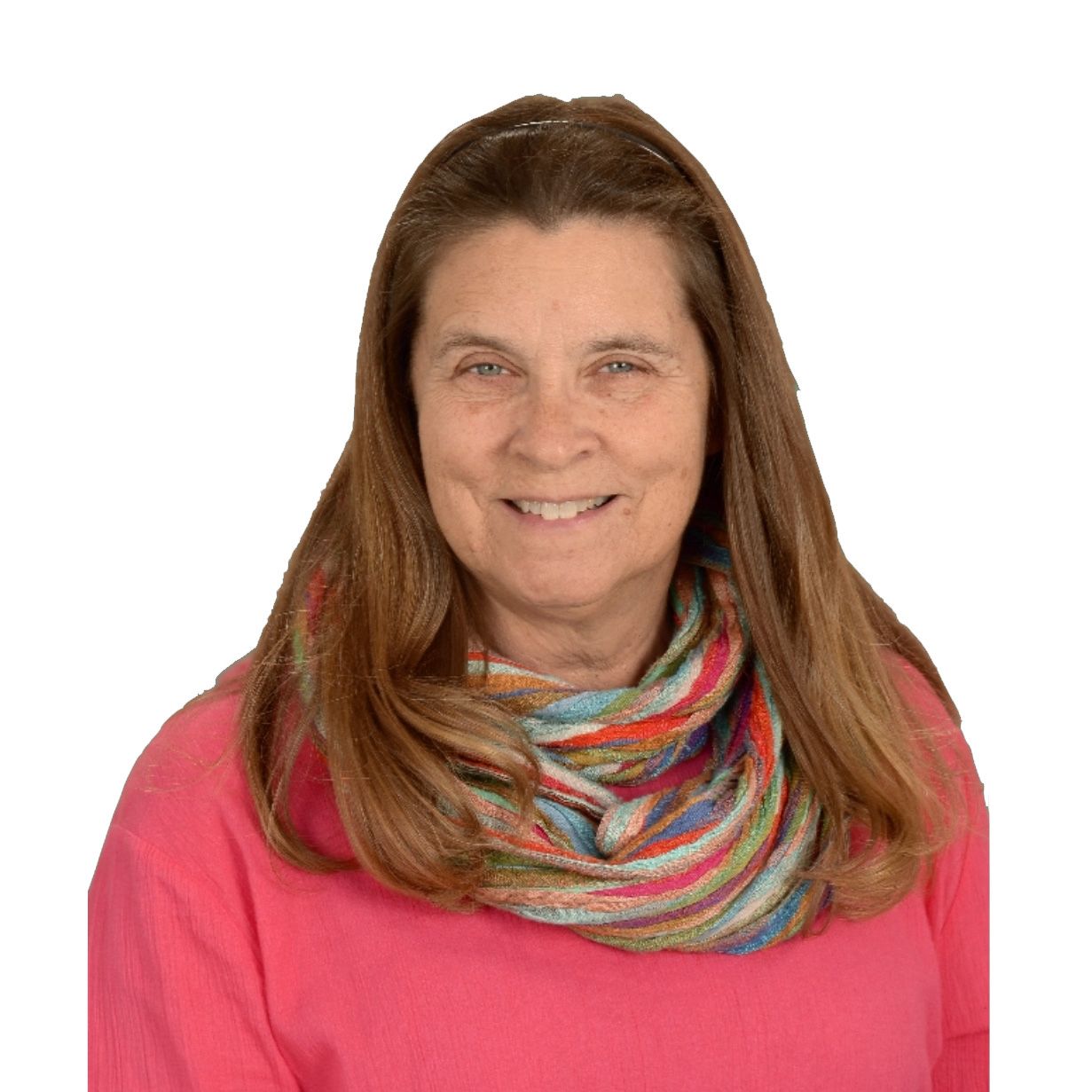
Claudia Mann is a certified coach and entrepreneur and 40-year Montessori devotee who works with educators and businesses to achieve the classrooms, schools, and organizations that learn, grow and succeed in achieving their dreams…together. Claudia knows that passionate individuals want to work in organizations and teams that allow that passion to flourish.
To that end, Claudia has helped hundreds of teachers, school leaders, and entrepreneurial business owners develop the systems and strategies that allow steady progress and growth that is designed and led by the creative spirit of every member of the team. Claudia has been honored to be invited to present dozens of Keynote addresses and workshops nationally and internationally, guiding teachers and leaders in strategic growth of academic and interpersonal skills. Active both as a trainer and mentor, Claudia supports teachers who are just beginning their Montessori journey to learn the methods as well as mentoring those who have spent years in the classroom still designing and growing…because that’s the Montessori way!
Claudia has been honored to be invited to present dozens of Keynote addresses and workshops nationally and internationally, guiding teachers and leaders in strategic growth of academic and interpersonal skills.
Claudia holds a Bachelor of Music Education for the University of Cincinnati College-Conservatory of Music and a Master’s degree in education from Xavier University (Cincinnati). She is certified by the American Montessori Society at multiple levels.
Outside of her passion for teaching and coaching, Claudia loves the natural world. She and her husband have authored a series of 25 books and founded fossilicious.com.
They live on a two-acre permaculture farm and are committed to sustainable living and homesteading.